THE FUME
Rosin and asthma
HSE says rosin (colophony) solder flux fume is a common cause of occupational asthma, and its residues can cause skin problems such as dermatitis.
Compare controls calvaryctg

AN INDEPENDENT COMMUNITY GUIDE
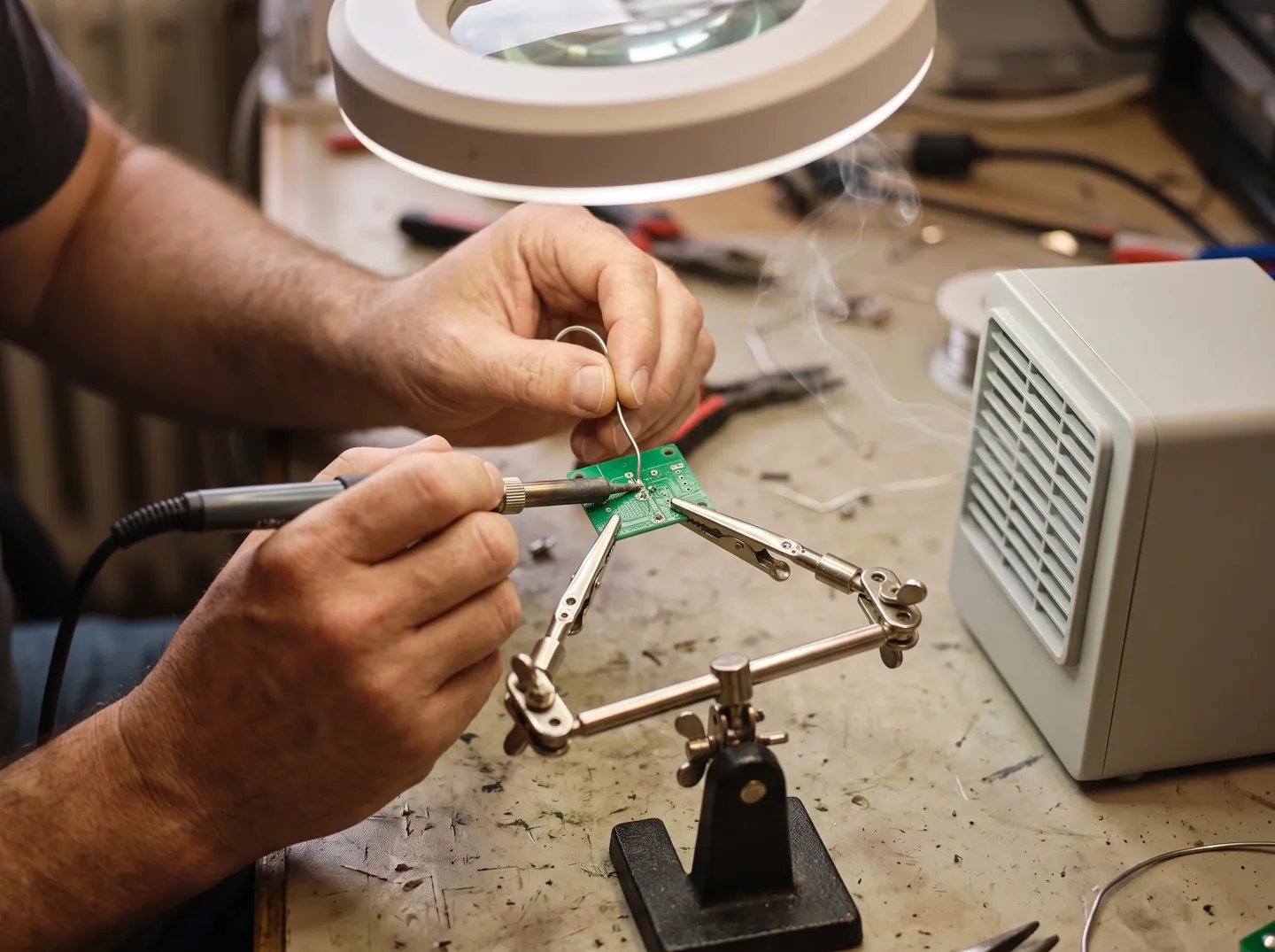
That thin wisp from a soldering iron matters.
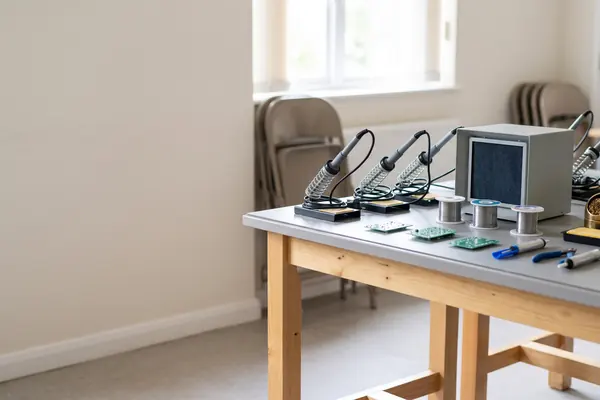
When rosin-based flux heats up it gives off a fume that HSE calls a top cause of occupational asthma. Community tech groups that teach soldering can borrow the same simple controls HSE describes for workplaces.
20 MINUTES of cool running water for a burn
Compare fume controlsTHE SHORT ANSWER
This site is an independent guide, not health and safety or medical advice.
It is not affiliated with any church, club, group or HSE.
THE FUME
HSE says rosin (colophony) solder flux fume is a common cause of occupational asthma, and its residues can cause skin problems such as dermatitis.
Compare controlsTHE IRON
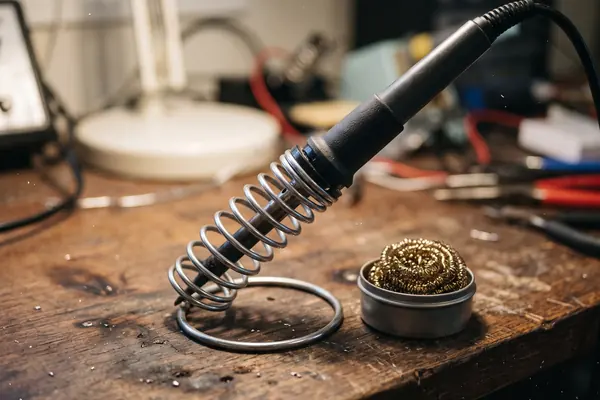
HSE's top tips include never overheating the iron, and its leaflet lists temperature-controlled irons among the measures that reduce fume.
Good habitsTHE ROOM
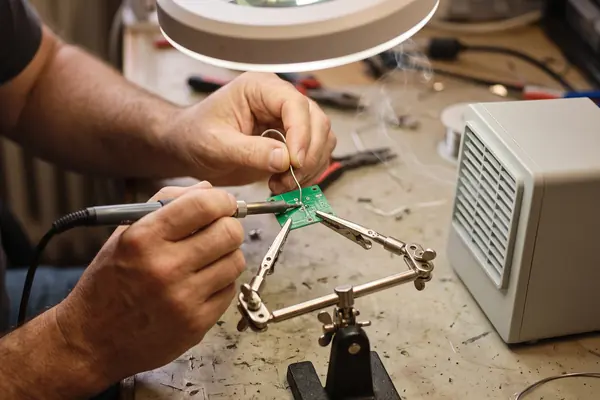
Position the work so you can keep your head out of the fume. HSE says this plus good ventilation may be enough only for small, infrequent, rosin-free jobs.
See the numbers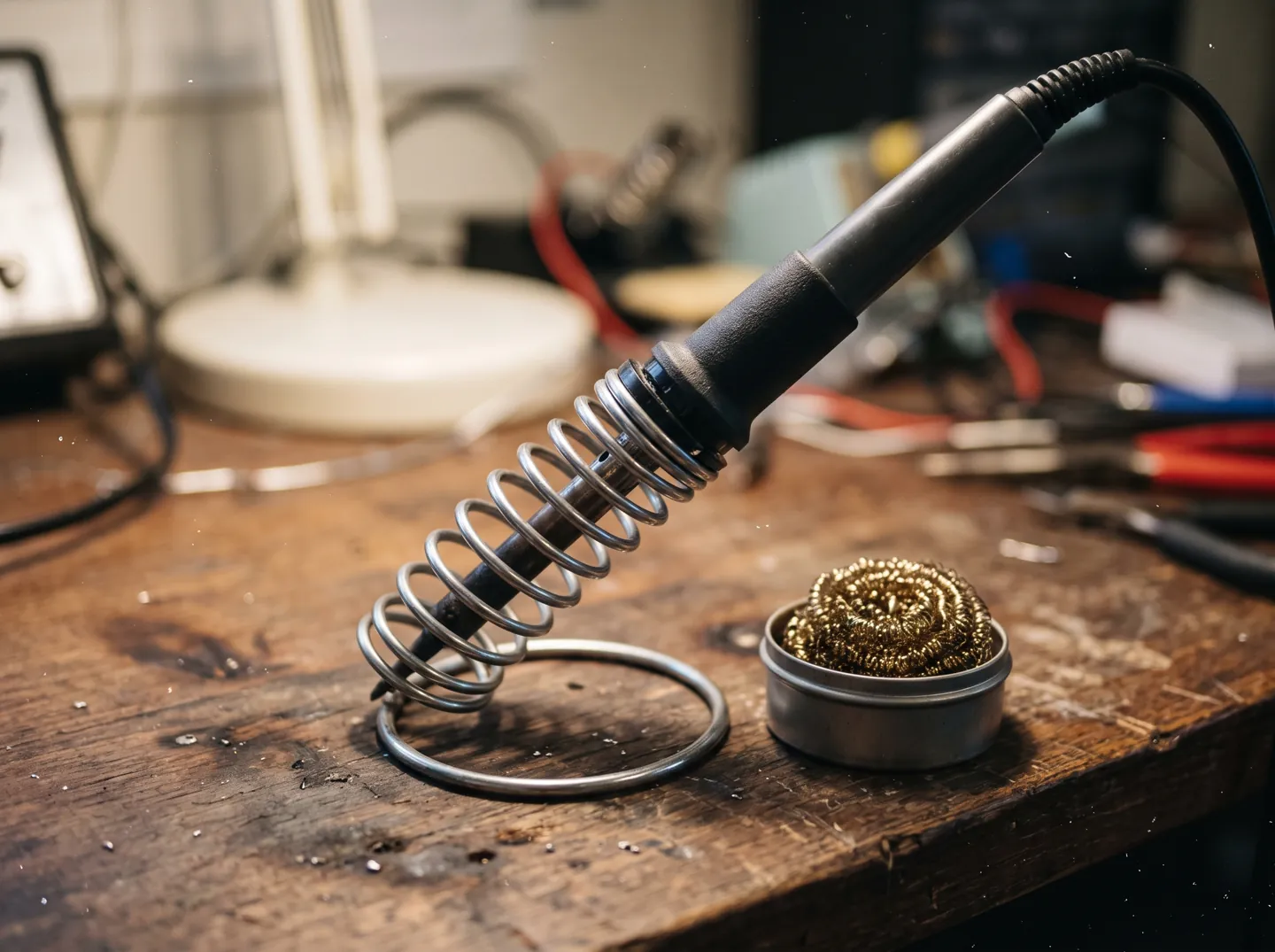
HABITS FROM HSE'S TOP TIPS
These come from HSE's top tips for solderers and its INDG249 leaflet. They describe good practice; a group's own risk assessment decides what it needs.
Ask whether rosin-based flux is needed; rosin-free and rosin-reduced fluxes exist.
Use a temperature-controlled iron and never let it overheat.
Lift the workpiece so you can solder without breathing in the plume.
Use suitable fume extraction and keep it clean, following the maker's maintenance schedule.
TWO NUMBERS WORTH KNOWING
One figure from NHS first aid for burns,
one from the rules on lead in electronics.
20 minutes
Time to hold a burn under cool running water
The NHS says to do this as soon as possible, within 3 hours, then cover the cooled burn loosely with cling film. Call 999 or go to A&E for burns caused by electricity, or that are large or deep.
BURNS · NHS
0.1%
Maximum concentration of lead allowed under RoHS
The restriction of hazardous substances rules limit lead, alongside cadmium, mercury and other substances, in many types of electrical and electronic equipment sold in Great Britain and Northern Ireland.
LEAD · GOV.UK RoHS
HSE says workers exposed to solder flux fume should be able to recognise early signs that their lungs or skin are reacting, and that health surveillance may be needed in workplaces.
FUME CONTROLS COMPARED
HSE lists fume controls for workplaces in priority order. Pick one to see what HSE says about it. The bar shows how strongly HSE rates it at cutting exposure.
Based on HSE leaflet INDG249, Controlling health risks from rosin (colophony)-based solder flux fume, and HSE's solderer page. HSE's guidance is written for employers.
BURNS FIRST AID
The NHS says to treat all burns straight away: hold the burn under cool running water for 20 minutes, remove clothing or jewellery near it unless stuck, then lay cling film over it without wrapping.
It says not to put creams, oils or butter on a burn, not to use plasters, and not to burst blisters. Burns caused by electricity, or that are very large or deep, need 999 or A&E; NHS 111 can help if you are unsure.
Questions
HSE says rosin (colophony)-based solder flux fume is hazardous to health and a common cause of occupational asthma, and that contact with the fume and its residues can cause dermatitis.
HSE's leaflet is about the flux: the fume is generated from rosin-based flux during soldering. Lead is restricted separately in electronics under the RoHS rules, to a maximum concentration of 0.1 percent.
HSE says bench-mounted boxes are of limited use unless fitted with a HEPA filter. Ventilated enclosures and downdraught benches can reduce exposure to zero when used properly.
The NHS says to hold the burn under cool running water for 20 minutes, ideally straight away and within 3 hours, then cover it loosely with cling film. Electrical, large or deep burns need 999 or A&E.
HSE's guidance on solder fume is written for employers under COSHH. It is still a useful guide for groups that teach soldering, but this page is information, not health and safety advice.
Updated
ABOUT THIS NAME
calvaryctg.com is part of the DoodleSale portfolio. It isn't in an auction right now, but you can ask about leasing it.